
Moving on in our digital marketing series, we now focus on beauty brands. This is a fiercely competitive market where consumers are incredibly selective and often stick with their preferred products, posing a significant hurdle for digital marketing efforts.
This article details digital marketing strategies for beauty brands, using our client, Huda Fode, as a prime example. Huda Fode is a multifaceted digital creator, makeup artist, educator, and the driving force behind the Huda Fode beauty brand.
What’s the gist?
We’ve identified three crucial elements for effective digital marketing in this sector: building a community (not just a customer base), leveraging high-quality visuals, and cultivating a strong brand identity beyond individual products. So how can we achieve these?
Social Media Strategy for Beauty Brands
Building a powerful social media presence goes beyond simply showcasing your products. Instead, cultivate a lifestyle, attract followers through your personality and values, and foster an audience that respects your perspective. Don’t just explain your brand’s ethos – demonstrate it in action and let your audience experience what your brand truly represents.
Choose influencer collaborations carefully, prioritising those you trust and admire. Remember that in the beauty world, unlike some other sectors, not all publicity is beneficial..
Provide influencers with product samples and request their honest reviews. This isn’t just about advertising; it’s an opportunity to gain valuable feedback from a discerning segment of your target audience. Show them you value their insights by taking their feedback seriously and demonstrating your commitment to addressing any issues they identify.
Content Strategy Prioritising Word of Mouth
Develop a content strategy specifically designed to fuel word-of-mouth marketing. Recognizing its significance in your industry, your content should be inherently shareable, encouraging organic recommendations among individuals seeking products like yours.
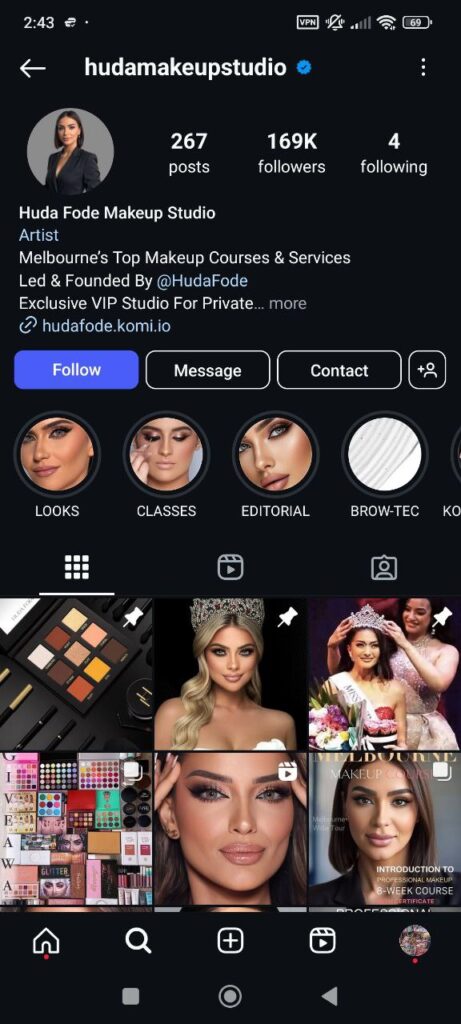
Our client, Huda Fode, provides a compelling example. By consistently sharing original content inspired by her own lifestyle as a digital creator, she built a dedicated social media community. This foundation allowed her to effectively launch and grow her beauty brand, amassing an impressive following of over 400,000 on Instagram and more than 800,000 across all social media channels.


What Social Media Platforms To Use For Beauty Brands?
Instagram (Duh!), TikTok (Duh!), YouTube, and Pinterest (which, like that ever-present but sometimes overlooked friend, has consistently been there) are your indispensable social media platforms. While you certainly can utilise other platforms if they align with your preferences, and we’ve observed beauty brands successfully leveraging sites like Twitter (X), the decision ultimately hinges on your comfort level and the specific characteristics of your target audience.
Website Design For Beauty Brands
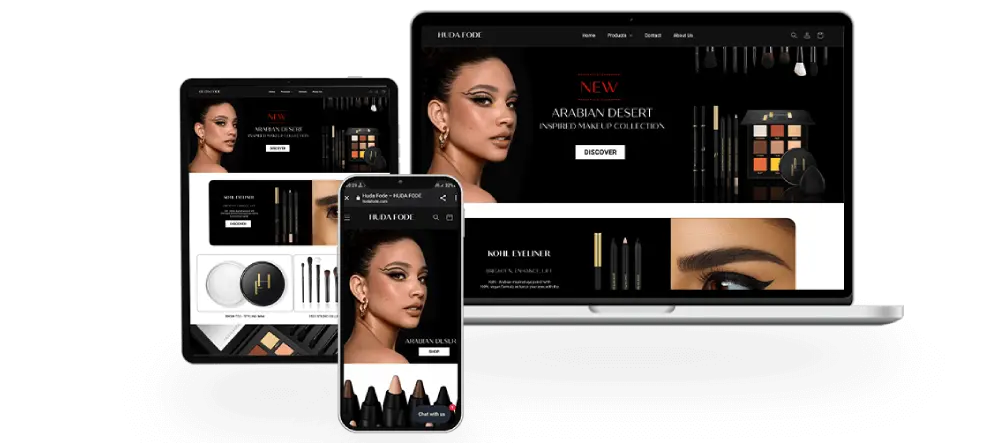
To further enhance your digital presence, you’ll need a website where your target audience can directly purchase your products. This platform should be designed to: represent your brand effectively, prioritize visuals and images, clearly display your products, offer a short and efficient path to purchase, be fully functional on mobile devices, be responsive and load quickly, provide easy navigation, and clearly articulate your unique selling points.
Huda Fode’s website, built on Shopify and showcasing high-quality visuals, exemplifies a strong online presence. For your own e-commerce needs, we suggest Shopify because it offers fast loading times, which are crucial for conversion, and provides significant flexibility for customization.
SEM Strategy for Beauty Brands
To truly capture the attention of your target audience, beauty brands must leverage the power of Google through both paid advertising (Google Ads) and organic search optimization (SEO).
Google Ads For Beauty Brands
This platform allows you to connect with consumers actively looking for beauty products and information. By carefully selecting keywords related to your offerings – from specific makeup items like “long-lasting foundation” to broader terms like “best anti-aging serum” – you can place targeted ads in front of interested shoppers. Google Shopping campaigns are particularly effective for showcasing product images and prices directly in search results. Strategic use of location targeting can also help reach local customers.
SEO For Beauty Brands
While technical SEO and keyword research remain foundational, for beauty brands, a modern SEO strategy should heavily emphasize building brand authority and creating content that directly addresses your target audience’s needs and questions. Instead of solely chasing keywords, focus on establishing yourself as a trusted resource and thought leader in the beauty space.
This involves creating valuable, informative content that resonates with your ideal customer. Think beyond product descriptions and develop blog posts, guides, tutorials, and videos that answer their beauty-related queries, offer solutions to their concerns, and align with your brand’s values and aesthetic. When your content genuinely helps your audience, it naturally attracts engagement, shares, and backlinks – all signals that Google recognizes as indicators of authority and relevance.
By consistently creating high-quality, brand-aligned content that caters to your audience’s needs, you’ll not only attract organic traffic but also cultivate a loyal following and strengthen your brand’s reputation in the search results. This approach prioritizes long-term brand building over short-term keyword wins.
Conclusion
The journey of digital marketing for beauty brands is dynamic and ever-evolving, but the core principles remain consistent: understand your audience, showcase your brand authentically, and connect with them where they spend their time online. By implementing the strategies outlined in this guide, from fostering community on social media to optimizing your website and leveraging the power of search, you’re well-equipped to carve out a significant space for your beauty brand in the digital landscape. Embrace the process, analyze your results, and for answers to frequently asked questions, continue reading to the FAQ section below as you watch your brand flourish.
FAQ
What kind of content performs best on each platform for beauty?
- Instagram: High-quality visuals (photos and videos), short tutorials, product spotlights, influencer collaborations, lifestyle content, engaging Stories (polls, Q&As), and Reels showcasing quick tips and trends.
- TikTok: Short, engaging videos (tutorials, trends, challenges, humor), authentic behind-the-scenes glimpses, product demonstrations, and user-generated content.
- YouTube: In-depth tutorials, product reviews, hauls, brand stories, interviews with experts, and collaborations with creators.
- Pinterest: Visually appealing product photography, lifestyle imagery showcasing product use, inspirational mood boards, and step-by-step guides in image or video format.
How do I measure the success of my social media efforts?
Track key metrics such as engagement rate (likes, comments, shares, saves), reach and impressions, follower growth, website clicks from your profile, conversions (sales) attributed to social media, and brand mentions. Utilize platform analytics and consider social media management tools for comprehensive insights.
Should I be using paid social media ads? If so, how do I get started?
Yes, paid social media ads can significantly boost reach and target specific demographics. Start by defining your campaign goals (awareness, traffic, conversions), identifying your target audience within the platform’s ad manager, setting a budget, and creating visually appealing ad creatives. A/B test different ad formats and targeting options to optimize performance.
How do I stay consistent with my social media posting?
Create a content calendar outlining your posting schedule and content themes. Batch create content in advance to save time. Utilize social media scheduling tools to automate posts. Engage with your audience regularly to foster community and stay relevant.
How do I handle shipping and returns effectively?
Clearly outline your shipping costs, delivery times, and return/exchange policies on your website. Offer transparent tracking information. Provide excellent customer service for shipping inquiries and returns. Consider offering flexible return options to build trust.
How do I define my target audience and reach them effectively?
Conduct market research to identify your ideal customer’s demographics, interests, behaviors, and pain points. Analyze your existing customer base. Create buyer personas to visualize your ideal customer. Use this information to target your content and advertising on relevant social media platforms and through Google Ads.
How do I measure the ROI (return on investment) of my digital marketing efforts?
Track your marketing expenses and the revenue generated from your digital channels. Use analytics tools to attribute sales and leads to specific marketing activities (e.g., social media campaigns, Google Ads). Calculate ROI using the formula: (Revenue – Marketing Cost) / Marketing Cost x 100%.
What tools and analytics should I be using?
- Social Media: Platform-specific analytics (Instagram Insights, TikTok Analytics, YouTube Analytics, Pinterest Analytics), social media management tools (e.g., Hootsuite, Buffer, Later).
- Website: Google Analytics for website traffic, user behavior, and conversions.
- E-commerce: Platform-specific analytics (Shopify Analytics), heat mapping tools (e.g., Hotjar).
- SEO: Google Search Console, keyword research tools (e.g., Google Keyword Planner, SEMrush, Ahrefs).
- Email Marketing: Platform-specific analytics (Mailchimp, Klaviyo).
What are the next steps after implementing the basics? How do I scale?
Focus on continuous optimization based on your data. Explore more advanced strategies like marketing automation, personalized email campaigns, loyalty programs, and expanding to new platforms or international markets. Invest in building a strong brand identity and fostering a loyal customer base. Analyze competitor strategies and stay updated on the latest digital marketing trends.


